 Save
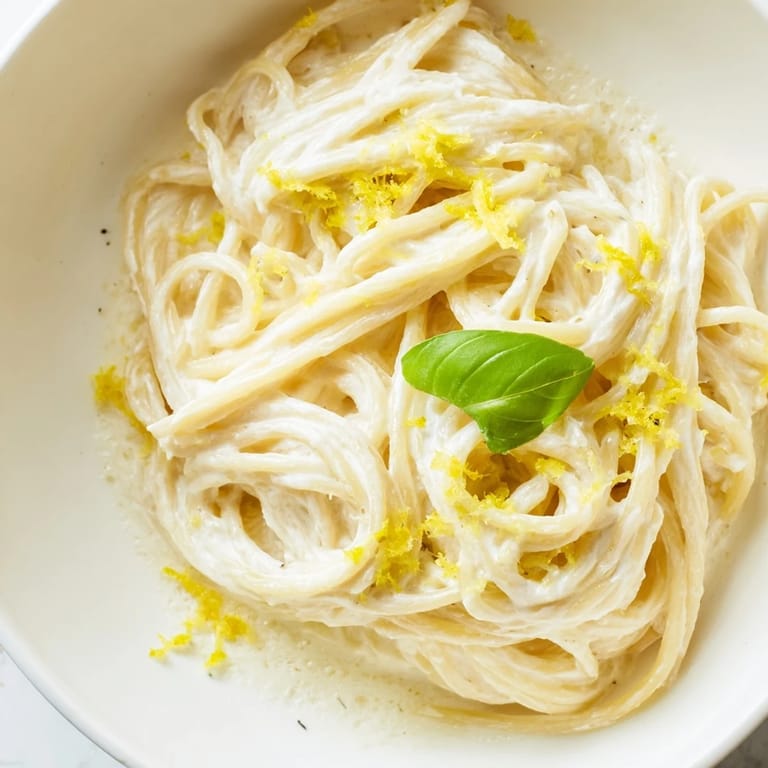
Save My neighbor knocked on my door last spring holding a bagful of lemons from her tree and asked if I could use them before she left for vacation. I stood in my kitchen that evening, twirling spaghetti into a bowl of ricotta I'd grabbed on a whim, and realized I'd just made something I wanted to eat every week. The brightness of the lemon cut through the creamy cheese in a way that felt both indulgent and light. It was done in the time it took to boil pasta, and I ate it standing at the counter with the windows open. I've been making it ever since, sometimes with basil, sometimes without, always with that same sense of effortless satisfaction.
I made this for a friend who was recovering from a cold and needed something gentle but flavorful. She sat at my table and said it tasted like comfort with a little bit of sunshine stirred in. We ate slowly, talking about nothing important, and she went home with the leftovers in a jar. A few days later she texted me asking for the recipe, and I realized I'd never written it down because it felt more like an instinct than a formula. Now I keep a lemon and a tub of ricotta on hand just in case someone needs a bowl of this.
Ingredients
- Spaghetti: The long strands catch the creamy sauce beautifully, and cooking it just to al dente gives you the perfect texture to toss without it turning mushy.
- Kosher salt: Salting your pasta water generously is the only chance you have to season the noodles themselves, so don't skip it.
- Ricotta cheese: Whole-milk ricotta makes the sauce rich and velvety, and it melts into the hot pasta like a dream.
- Lemon: Both the zest and juice are essential, the zest brings aromatic oils and the juice adds that tangy brightness that defines the dish.
- Parmesan cheese: Freshly grated Parmesan adds a salty, nutty depth that balances the mild ricotta.
- Extra-virgin olive oil: A good quality olive oil adds a fruity richness and helps the sauce come together smoothly.
- Garlic: Just one clove, finely grated, adds a subtle savory backbone without overpowering the lemon.
- Black pepper and sea salt: Freshly ground pepper and a pinch of salt bring out all the other flavors.
- Fresh basil or parsley: A handful of fresh herbs at the end adds color and a bright, herbal note that makes the dish feel complete.
Tired of Takeout? 🥡
Get 10 meals you can make faster than delivery arrives. Seriously.
One email. No spam. Unsubscribe anytime.
Instructions
- Boil the pasta:
- Fill a large pot with water, salt it until it tastes like the sea, and bring it to a rolling boil. Drop in the spaghetti and cook it until it's tender but still has a slight bite, then scoop out half a cup of the starchy cooking water before you drain it.
- Make the ricotta-lemon sauce:
- While the pasta bubbles away, whisk together the ricotta, lemon zest, lemon juice, Parmesan, olive oil, grated garlic, pepper, and salt in a big bowl until it's smooth and creamy. The sauce will look thick now, but the hot pasta and reserved water will loosen it up perfectly.
- Toss the pasta:
- Add the hot drained spaghetti directly into the bowl with the ricotta mixture and toss everything together with tongs. Drizzle in the reserved pasta water a little at a time, tossing as you go, until the sauce clings to every strand in a glossy, luxurious coating.
- Garnish and serve:
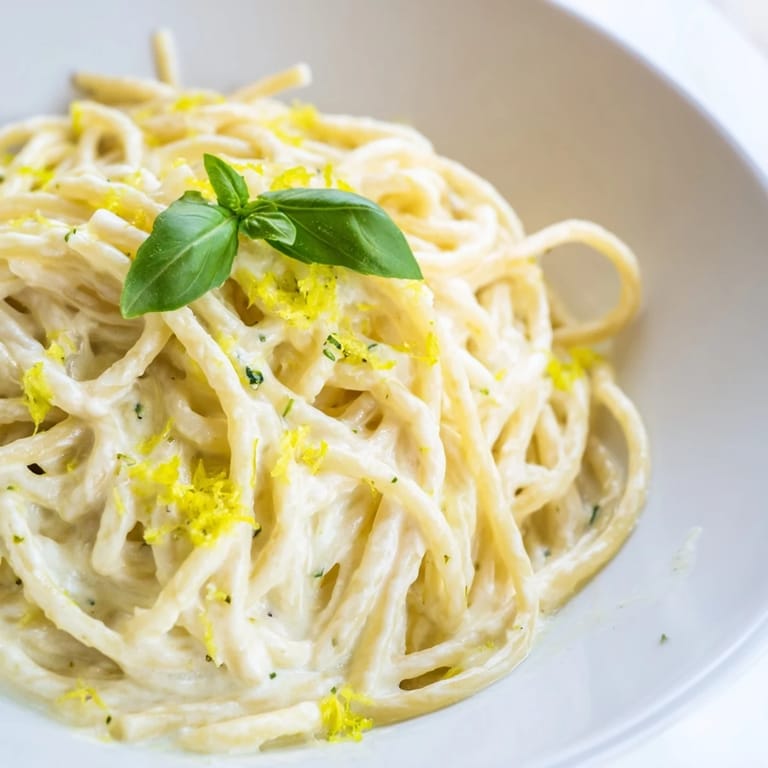
- Divide the pasta among bowls and top each one with extra Parmesan, a sprinkle of fresh basil or parsley, more lemon zest, and a few grinds of black pepper. Serve it immediately while it's hot and creamy.
 Save
Save One night I added a handful of peas I found in the freezer, and they turned the dish into something even more springlike and cheerful. My daughter, who usually picks vegetables out of everything, ate them without complaint because they were coated in lemony ricotta. It reminded me that the simplest additions can make a dish feel new again without changing what makes it work. Now I toss in whatever green thing I have around, spinach, asparagus, or zucchini, and it always feels like a small celebration.
Choosing Your Pasta Shape
Spaghetti is traditional here, but I've also made this with linguine, fettuccine, and even short shapes like penne when that's what I had in the pantry. Long noodles give you that classic twirl-and-coat experience, but short pasta holds onto the sauce in its ridges and curves in a way that's just as satisfying. The key is to match the pasta size to the thickness of your sauce, which in this case is creamy enough to work with almost anything. If you go with a short shape, just make sure to toss it well so every piece gets covered. Don't overthink it, just use what makes you happy.
Making It Richer or Lighter
If you want something even more indulgent, stir a spoonful of mascarpone or a splash of heavy cream into the ricotta before tossing it with the pasta. On the other hand, if you're looking to keep it lighter, you can swap in part-skim ricotta and skip the extra Parmesan on top. I've done both depending on my mood, and the dish adapts beautifully either way. The lemon keeps it from ever feeling too heavy, no matter how much cream you add. It's one of those recipes that bends to fit what you need without losing its soul.
Storing and Reheating Leftovers
Leftovers keep in the fridge for up to two days, though the sauce will thicken as it sits and the pasta will soak up some of the moisture. When you reheat it, add a splash of water or milk and warm it gently in a pan over low heat, stirring until it loosens up again. I don't recommend microwaving it because the ricotta can separate and turn grainy. If you have leftover sauce but no pasta, it makes a lovely spread on toast or a dip for roasted vegetables.
- Store in an airtight container and keep it cold until you're ready to eat.
- Reheat on the stovetop with a little liquid to bring back the creamy texture.
- Use leftover ricotta-lemon mixture as a base for a quick dip or sandwich spread.
 Save
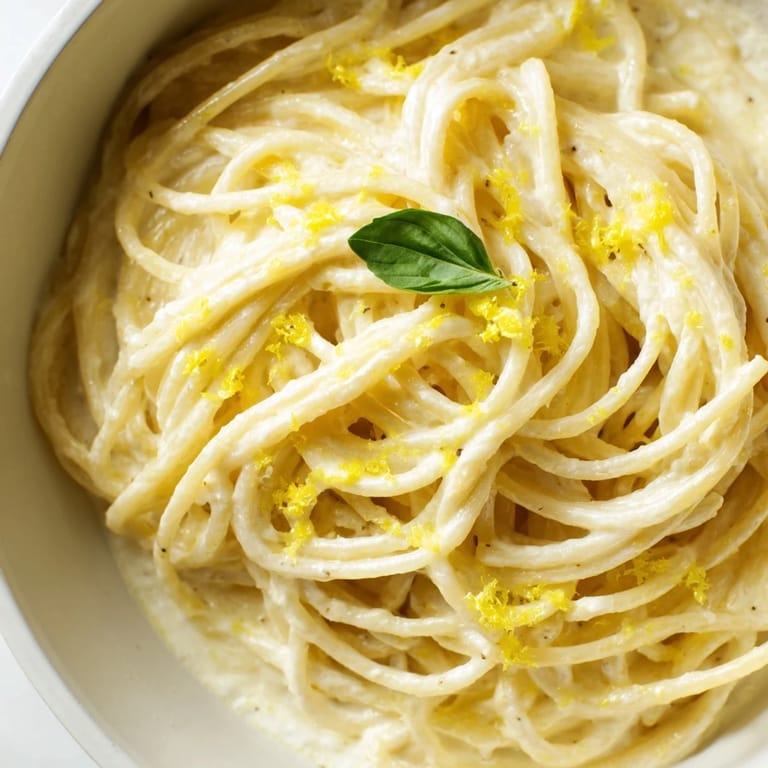
Save This is the kind of pasta I make when I want something that feels special but doesn't ask much of me. It's bright, creamy, and always tastes like a good decision.
Recipe FAQs
- → How do I prevent the ricotta sauce from becoming too thick?
Reserve pasta water while draining and add it gradually to the sauce. The starch in the pasta water helps create a silky consistency that coats the noodles perfectly without clumping.
- → Can I make this ahead of time?
This pasta is best served immediately after tossing. However, you can prepare the ricotta-lemon sauce up to 2 hours ahead and store it in the refrigerator. Reheat gently before combining with hot pasta.
- → What type of ricotta works best?
Whole-milk ricotta produces the creamiest, richest sauce. Avoid low-fat varieties as they can result in a grainy texture. For extra decadence, add a splash of heavy cream or mascarpone to the mixture.
- → Can I add vegetables to this dish?
Absolutely. Sautéed spinach, peas, or asparagus complement the lemon and ricotta beautifully. Add them to the sauce or toss with the finished pasta for color and nutrition.
- → Is this suitable for a gluten-free diet?
Yes, simply substitute regular spaghetti with gluten-free pasta. The rest of the ingredients are naturally gluten-free. Check Parmesan labels to ensure they meet your dietary requirements.
- → What wine pairs well with this dish?
Crisp white wines work beautifully—try Sauvignon Blanc, Pinot Grigio, or Vermentino. The acidity complements the bright lemon flavors and cuts through the creamy richness of the ricotta sauce.