 Save
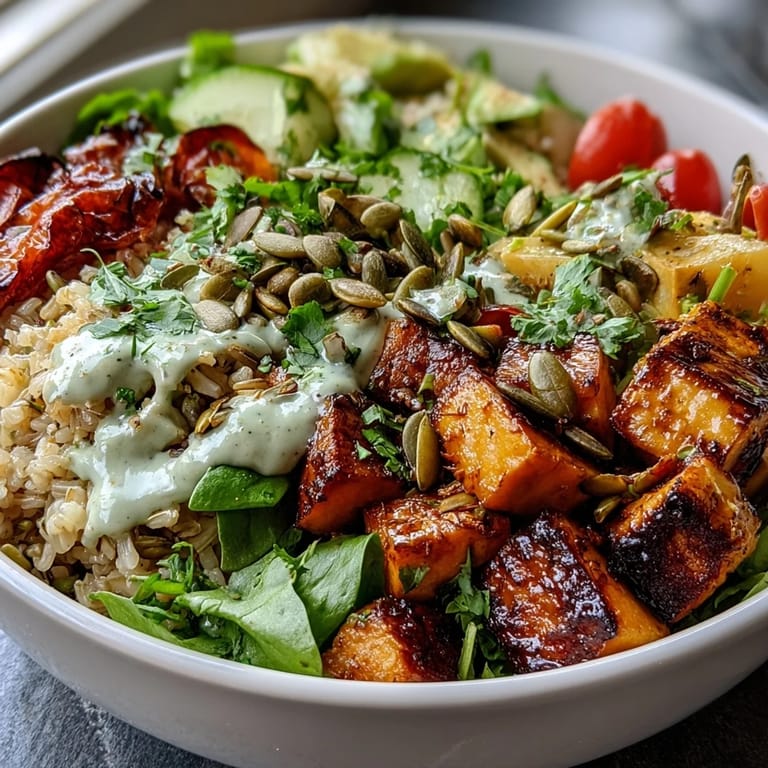
Save My coworker Sarah brought a grain bowl to lunch one Tuesday, and I watched her methodically arrange each component like she was composing a painting. She caught me staring and laughed, saying it was just leftovers she'd prepped on Sunday, but somehow the way she'd layered everything made it feel intentional and celebratory. That's when I realized a grain bowl isn't really about following rules—it's about building something that excites you to eat it, one handful of ingredients at a time.
I made these for a potluck where someone had forgotten to mention they were vegan, and instead of scrambling, I just showed them how to swap the chicken for chickpeas and skip the feta. Watching them load up their bowl with confidence reminded me that the best recipes aren't rigid—they're invitations to make something personal.
Ingredients
- Grains (brown rice, quinoa, farro, or couscous): Pick one or mix two for texture contrast; I learned that letting them cool slightly prevents everything from turning into mush when you dress it.
- Proteins (chicken, tofu, chickpeas, or shrimp): Seasoning your protein separately before adding it makes a huge difference in how flavorful each bite feels.
- Cherry tomatoes: Halving them releases their sweetness and prevents them from rolling everywhere, which I discovered after chasing one across the counter.
- Cucumber: Dicing it fresh keeps it crisp; if you prep it too far ahead, it weeps into everything.
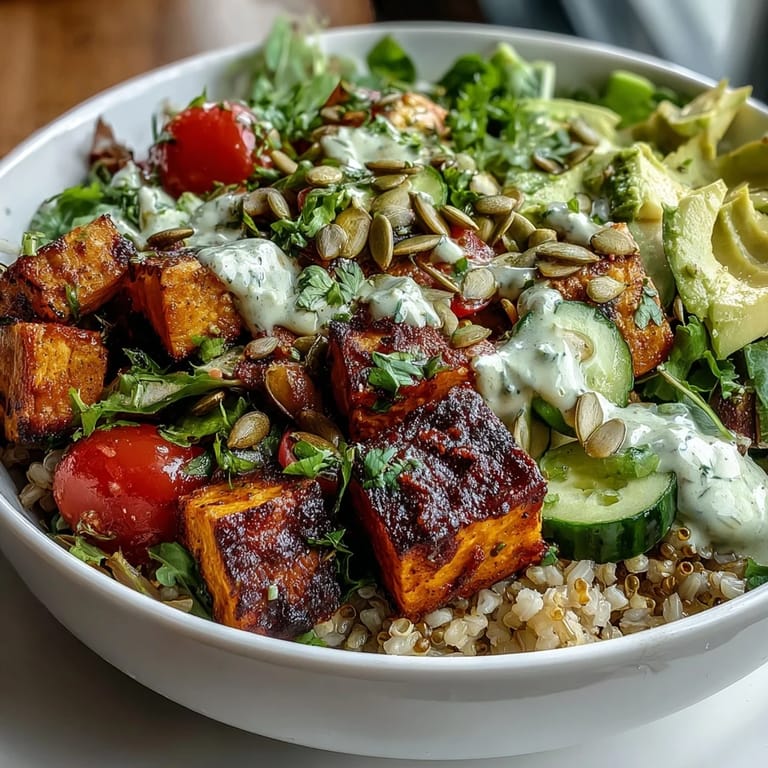
- Roasted sweet potato: The caramelization that happens in the oven transforms this from a side dish ingredient into something genuinely special.
- Steamed broccoli florets: A little char from a hot pan makes them taste less like you're being virtuous and more like you're genuinely enjoying them.
- Shredded carrots: Raw ones stay snappy and add a brightness that cooked vegetables can't quite match.
- Avocado: Add it right before eating unless you want it to turn that sad grayish color nobody wants to look at.
- Feta cheese: Optional, but those little salty crumbles anchor everything around them in the best way.
- Toasted seeds or nuts: The toasting step is non-negotiable; it wakes up their flavor and adds a satisfying crunch.
- Fresh herbs: Cilantro, parsley, or anything green that smells alive makes the whole bowl feel less like an assembly and more like a celebration.
- Sesame seeds: They're tiny but they catch the light and make your bowl look intentional rather than thrown together.
- Dressing (lemon-tahini, balsamic, soy-ginger, or green goddess): This is where the magic happens; choose based on your mood, not a recipe's suggestion.
Tired of Takeout? 🥡
Get 10 meals you can make faster than delivery arrives. Seriously.
One email. No spam. Unsubscribe anytime.
Instructions
- Cook your grains with intention:
- Follow package instructions but taste for doneness a minute or two before the timer suggests; grains keep cooking slightly after draining. Fluff them with a fork while they're still warm so they separate instead of clumping together.
- Prepare proteins ahead:
- Whether you're cooking fresh chicken, baking tofu, or pulling from the fridge, make sure each piece is seasoned on its own. This takes just five minutes but completely transforms how the bowl tastes.
- Process your vegetables thoughtfully:
- Wash everything, chop with intention, and decide which vegetables benefit from heat and which should stay raw. Roasting takes maybe fifteen minutes and deepens flavors in a way raw vegetables can't match.
- Build your bowl like you mean it:
- Start with grains as your base, then arrange proteins and vegetables in sections or scattered, depending on what feels right. This step is surprisingly satisfying because you're actually creating something, not just mixing.
- Add your toppings and extras:
- Sprinkle cheese, seeds, and fresh herbs generously; they're the final details that make someone look at your bowl and want to eat it. Don't be shy with the herbs especially—they're what stop it from feeling like plain food.
- Dress it right before the moment of truth:
- Drizzle your chosen dressing just before eating so everything stays textured instead of soggy. If you're meal prepping, keep the dressing separate and add it when you're ready to eat.
 Save
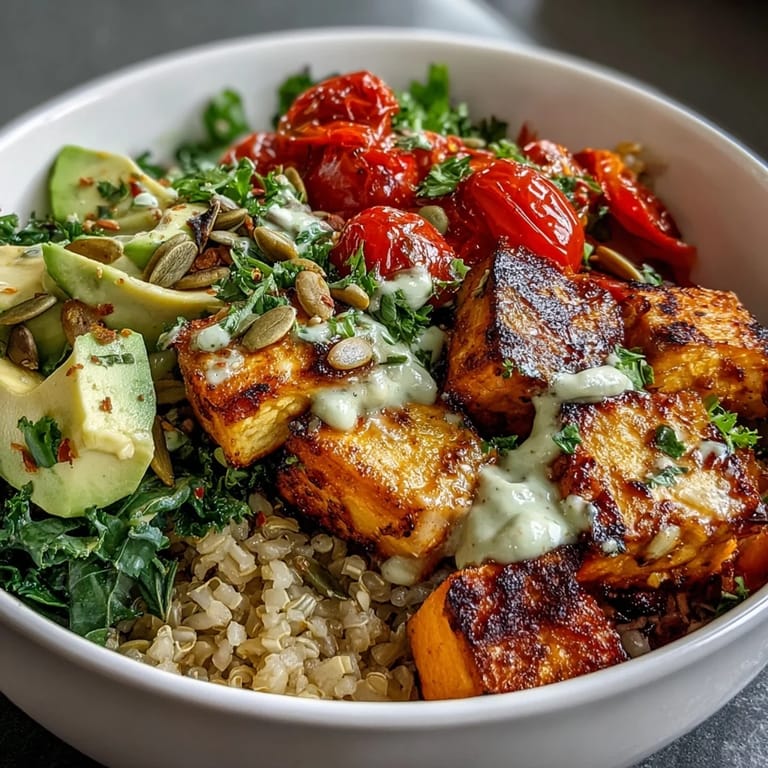
Save My partner made one of these bowls for dinner after I'd had a terrible day, and I noticed he'd arranged the avocado slices in a little arc at the top like it was plated at a restaurant. That small gesture—turning a practical meal into something thoughtful—stuck with me more than the taste itself, though the bowl was delicious too.
The Sunday Prep Strategy
I've started prepping everything separately in clear containers on Sunday afternoon, which takes maybe thirty minutes but means I never have an excuse to order takeout. The grains go in one container, proteins in another, raw vegetables in another, and dressings in little jars. By Wednesday, I'm mixing and matching components in different combinations and it still feels like I'm eating something new.
Dressing as the Personality Test
The dressing you choose tells you something about your mood that day. Tahini when you want richness, balsamic when you're feeling earthy, soy-ginger when you want brightness, green goddess when you want to taste spring. I've noticed I reach for different ones depending on the weather, the season, even whether I slept well the night before.
When Someone Unexpected Shows Up to Dinner
The beautiful thing about grain bowls is they're infinitely flexible, which saved me when a friend mentioned halfway through cooking that she'd gone pescatarian. Instead of panicking, I just pivoted the protein and everyone built exactly what they wanted to eat.
- Keep your pantry stocked with at least three different grains so you never have to apologize for what you're serving.
- Pre-cooked proteins from the store (rotisserie chicken, canned beans, baked tofu) aren't cheating—they're strategic shortcuts that make this meal actually doable on weeknights.
- Fresh herbs are the difference between a bowl that looks like meal prep and one that looks like you care; don't skip them even when you're tired.
 Save
Save A grain bowl is just a framework for making yourself something nourishing that you actually want to eat, which might sound simple but changes everything. The real recipe is paying attention to what excites you, then giving yourself permission to build that.
Recipe FAQs
- → What grains work best for bowl bases?
Brown rice, quinoa, farro, and couscous all make excellent bases. Choose based on texture preference and dietary needs. For low-carb options, try cauliflower rice or leafy greens instead.
- → How do I keep meal prep bowls fresh?
Store grains, proteins, vegetables, and dressings in separate containers. Assemble bowls just before eating to maintain texture and prevent sogginess. Most components stay fresh for 4-5 days.
- → Which protein combinations taste best together?
Pair chicken with roasted sweet potatoes and balsamic vinaigrette. Tofu works well with steamed broccoli and soy-ginger dressing. Chickpeas complement fresh tomatoes, cucumber, and tahini.
- → Can I make this gluten-free?
Absolutely. Use quinoa or rice as your grain base, choose chickpeas or shrimp for protein, and avoid farro, couscous, and dressings containing soy sauce. Check all labels for hidden gluten.
- → What vegetables add the most flavor?
Roasted sweet potatoes bring natural sweetness, while cherry tomatoes add brightness. Avocado offers creaminess, and fresh herbs like cilantro or parsley punch up the overall flavor profile.