 Save
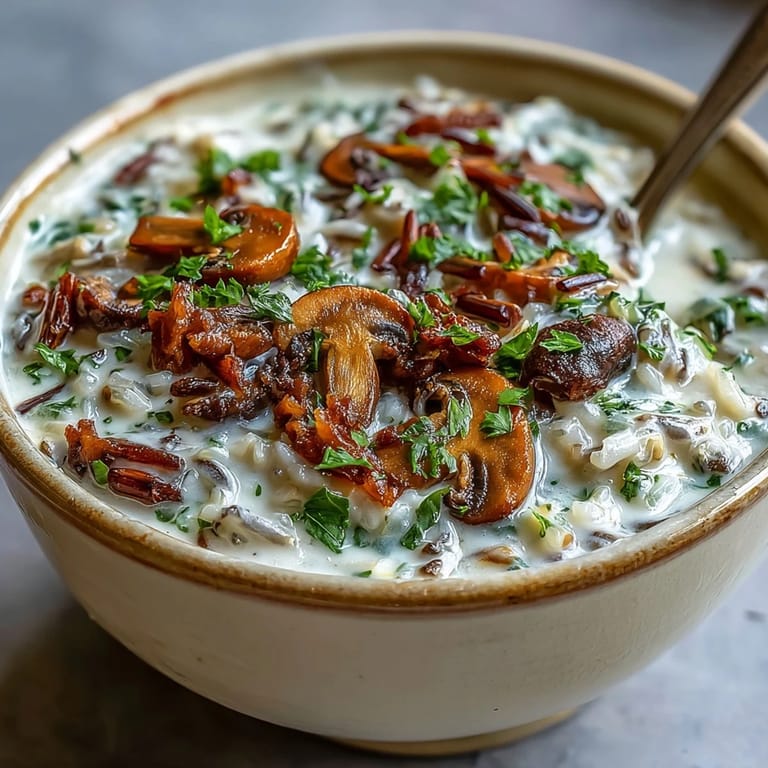
Save There's something about the smell of wild mushrooms hitting hot oil that stops me mid-stride in the kitchen. Years ago, a friend brought a bag of foraged shiitake from their weekend trip, and I had nothing but wild rice and some cream in the pantry. That improvised soup turned into something so deeply satisfying that I've been chasing that moment ever since. Now I make it intentionally, layering earthy mushrooms with nutty rice until the kitchen fills with that same irresistible warmth.
I made this soup for a dinner party on the first genuinely cold evening of autumn, and my neighbor came back for seconds while I was still ladling the first round. She asked for the recipe before dessert, which never happens. That's when I realized this wasn't just comfort food—it was the kind of dish that makes people feel genuinely cared for.
Ingredients
- Olive oil: Use a good quality oil here since it's one of the first flavors you're building; it makes a noticeable difference in the base.
- Yellow onion, celery, and carrots: The holy trinity of soup-making—don't skip dicing them small so they meld into the broth rather than staying chunky.
- Garlic, thyme, and rosemary: These three are doing the heavy lifting on flavor, so don't be shy with them, especially if using fresh herbs.
- Bay leaf: It quietly deepens everything; fish it out before serving or someone will bite it and regret life choices.
- Mixed wild mushrooms: Cremini, shiitake, and oyster together create a more complex flavor than any single type; cleaning them with a damp cloth preserves their texture better than washing.
- Wild rice: Always rinse it first—this small step removes dust and helps each grain cook up separate and tender.
- Vegetable broth: A good broth is the backbone here; if yours tastes flat, the whole soup will too.
- Heavy cream: The finishing touch that transforms this from good to luxurious; add it at the end to prevent curdling.
- All-purpose flour: This creates the thickener; stirring it in properly before adding liquid prevents those frustrating lumps everyone complains about.
- Soy sauce: A tablespoon adds umami depth without tasting overtly salty if you use it correctly.
- Salt and black pepper: Season in layers as you cook rather than all at once at the end.
Tired of Takeout? 🥡
Get 10 meals you can make faster than delivery arrives. Seriously.
One email. No spam. Unsubscribe anytime.
Instructions
- Sauté your base vegetables:
- Heat the olive oil over medium heat and add onion, celery, and carrots together. Let them cook for 6 to 8 minutes until they're soft and the onion turns translucent; this creates the flavor foundation everything else builds on.
- Wake up the herbs:
- Stir in the garlic, thyme, rosemary, and bay leaf, cooking for just a minute until the kitchen smells incredible. You're releasing the essential oils that make this soup feel like autumn in a bowl.
- Develop the mushroom depth:
- Add your sliced mushrooms and let them cook for 6 to 8 minutes until they've softened and released their liquid, which then mostly evaporates. This concentrates their earthy flavor instead of diluting it in the broth.
- Create the thickening paste:
- Sprinkle the flour over everything and stir constantly for a full minute to coat all the vegetables. This prevents lumps from forming when you add the liquid.
- Build the broth carefully:
- Pour in the vegetable broth slowly while stirring constantly; this technique dissolves the flour smoothly instead of creating those frustrating clumps. Keep stirring for a minute after it's all added.
- Add the rice and soy sauce:
- Stir in the wild rice and soy sauce, then bring everything to a boil over medium-high heat. Once it's bubbling, reduce the heat to low and cover the pot.
- Let time do the work:
- Simmer for 40 to 45 minutes with the lid on, stirring occasionally so the rice cooks evenly and doesn't stick to the bottom. The rice is done when each grain is tender but still slightly chewy, not mushy.
- Finish with cream and herbs:
- Fish out the bay leaf, then stir in the cream and fresh parsley over low heat for 2 to 3 minutes until everything is heated through. Avoid boiling at this point or the cream might break.
- Season and adjust:
- Taste a spoonful, then add salt and pepper gradually until it tastes right to you. If it's too thick, thin it with extra broth; if it's too thin, simmer uncovered for another few minutes.
- Serve with intention:
- Ladle into bowls, scatter fresh parsley on top, and serve while it's hot with crusty bread on the side for dipping.
 Save
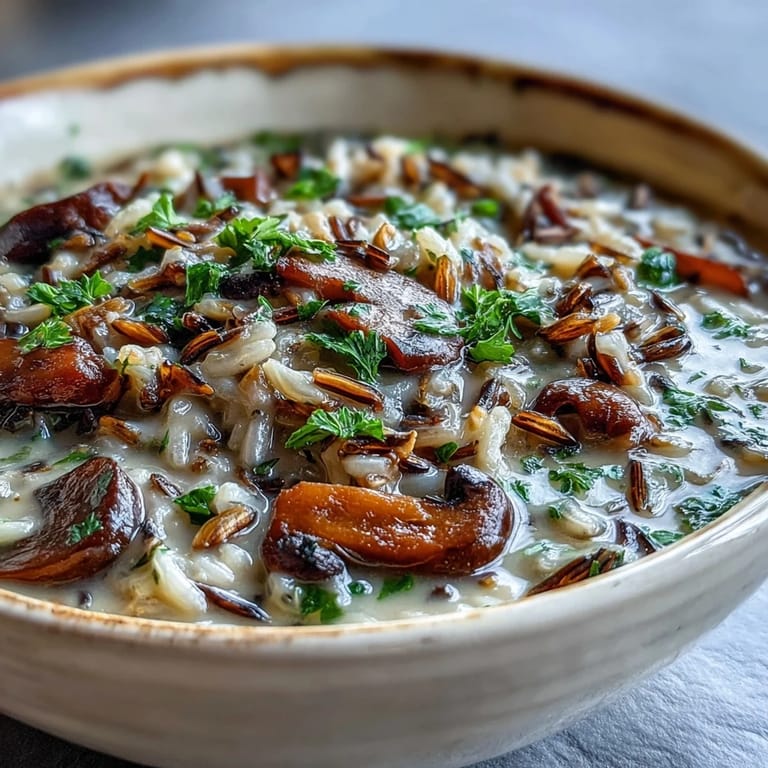
Save My daughter asked me one cold evening why this soup was her favorite, and I realized it wasn't just because it tastes good—it's because the smell of it cooking promises something warm and real. That's what matters in a recipe like this.
Customizing for Your Kitchen
This soup is honestly adaptable without losing its soul. If you're vegan, swap the heavy cream for cashew cream or full-fat coconut milk added at the very end; if you're gluten-free, use a gluten-free flour blend mixed with the same amount of broth before stirring it in, and check your soy sauce label. Some people add a splash of dry sherry when the mushrooms go in, which deepens the flavor in a way that feels sophisticated without tasting boozy. I've also made it with pearl barley instead of wild rice when I ran out, and it was just as comforting.
Storing and Reheating
This soup keeps beautifully in the refrigerator for up to four days, making it an excellent choice for meal prep or having something ready to reheat on a busy evening. When you reheat it, go low and slow over medium heat, stirring occasionally, and add a splash of broth if it's thickened too much in the fridge. The flavors actually deepen overnight as everything settles, so don't be surprised if day-two leftovers taste even better than freshly made soup.
Pairing and Serving Ideas
Serve this soup with something crusty and good—sourdough, a thick-cut baguette, or even buttered rye bread if that's what you have. I've paired it with a simple green salad dressed in lemon vinaigrette for balance, or with a grilled cheese sandwich for pure comfort. A glass of white wine works beautifully alongside it, as does crisp apple cider in the fall. End the meal with something light like a berry tart or dark chocolate mousse so the soup isn't fighting for attention.
- A drizzle of truffle oil on top right before serving adds an unexpected luxury moment.
- Fresh thyme sprigs look beautiful as garnish and hint at what's inside.
- Serve it warm, never piping hot, so you actually taste the complexity of the flavors.
 Save
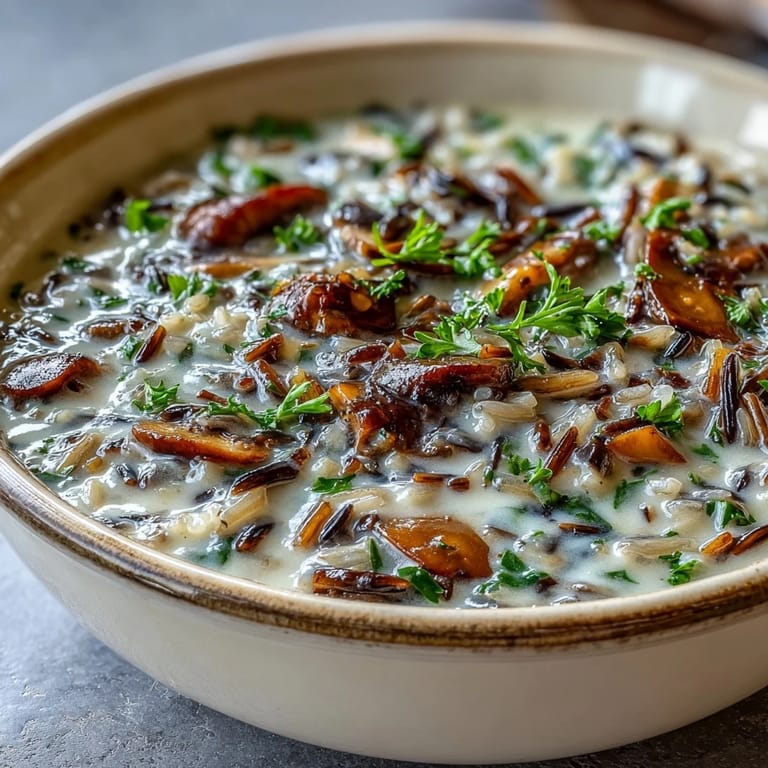
Save This soup is less about following instructions perfectly and more about trusting your instincts as the kitchen guides you. Make it once, then make it your own.
Recipe FAQs
- → Can I use regular brown rice instead of wild rice?
Wild rice has a unique nutty flavor and firmer texture that defines this soup. Brown rice can be substituted but will cook faster (25-30 minutes) and create a different taste profile. Adjust cooking time accordingly.
- → What types of mushrooms work best?
A mix of cremini, shiitake, and oyster mushrooms provides the best flavor complexity. You can also use portobello, chanterelle, or porcini. Avoid standard white button mushrooms as they lack depth of flavor.
- → How do I make this soup vegan?
Replace heavy cream with cashew cream, coconut cream, or oat cream. Use tamari instead of soy sauce and ensure your vegetable broth is vegan. The result will be equally creamy and flavorful.
- → Can I prepare this soup in advance?
Yes, this soup stores well for 3-4 days refrigerated. The wild rice will continue to absorb liquid, so add extra broth when reheating. You can also freeze it for up to 3 months, though the cream texture may change slightly.
- → Why is my soup too thick?
Wild rice absorbs liquid as it sits. Thin the soup by adding warm vegetable broth or cream while reheating. Start with ½ cup at a time until you reach your desired consistency.
- → Can I use dried herbs instead of fresh?
Yes, use half the amount of dried herbs compared to fresh. Dried thyme and rosemary work well in this soup. Add them early in the cooking process to allow their flavors to develop fully.