 Save
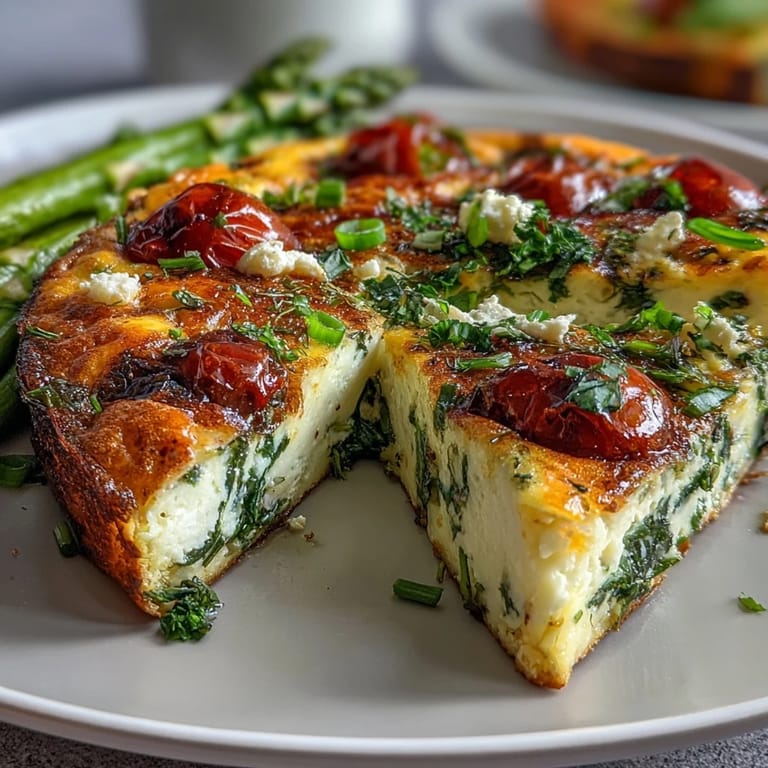
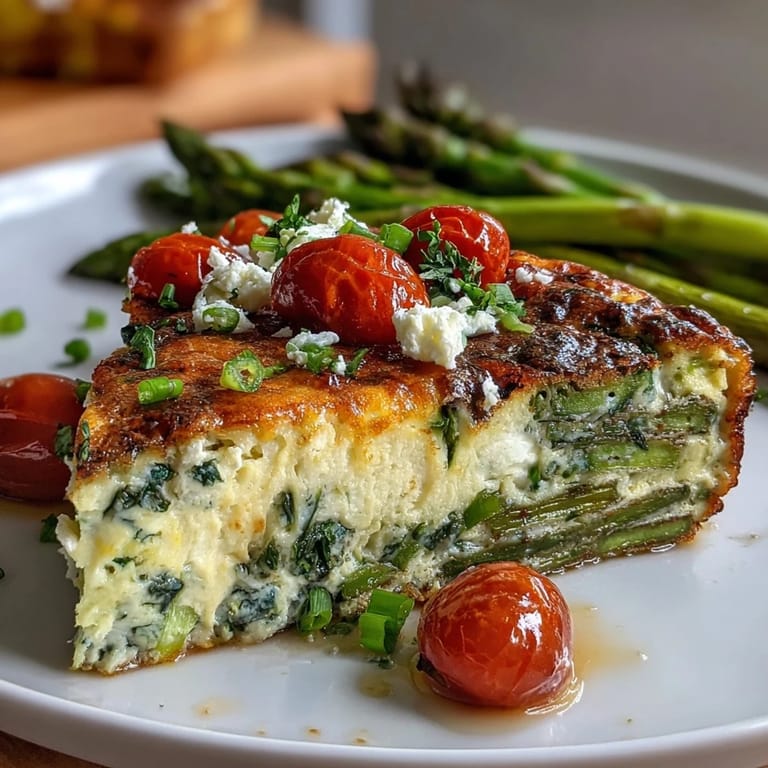
Save There's something about spring that makes me want to crack eggs into a skillet and let them mingle with whatever tender vegetables I can find at the market. One Saturday morning, I stood in my kitchen with a bunch of fresh asparagus still wearing dewdrops, a handful of spinach, and a wedge of tangy goat cheese, and suddenly this frittata seemed like the obvious answer to what felt like brunch weather. It's one of those dishes that doesn't pretend to be complicated but somehow tastes like you've been cooking all morning.
I made this for my neighbor last spring when she mentioned she was tired of scrambled eggs, and watching her face light up when she tasted that first forkful with the warm goat cheese and the snap of asparagus was genuinely delightful. She asked for the recipe three times before I finally wrote it down for her, which felt like the highest compliment a cook can receive.
Ingredients
- Asparagus, 1 cup trimmed and cut into 1-inch pieces: Buy it firm and bright green, and don't peel it unless the spears are really thick and woody—the tender tips are where all the delicate spring flavor lives.
- Baby spinach, 1 cup roughly chopped: Fresh spinach wilts down to almost nothing, so don't be shy with the amount; it'll collapse into silky ribbons in the heat.
- Zucchini, 1 small diced: A young zucchini is better here—older ones can be watery and bitter, and you want the vegetables to taste sweet and tender, not dull.
- Cherry tomatoes, 1/2 cup halved: These burst slightly in the oven and release their juice into the eggs, creating little pockets of brightness.
- Green onions, 2 sliced: Both the white and green parts matter; the white adds subtle onion flavor while the green gives you a fresh, almost grassy note at the end.
- Large eggs, 8: Room temperature eggs blend more smoothly with the milk, creating a silkier custard base than cold ones.
- Whole milk or cream, 1/4 cup: Cream makes it richer, but milk keeps things lighter—choose based on your mood and whether you're making this for dinner or brunch.
- Goat cheese, 4 oz crumbled: The tanginess is essential here; it plays beautifully against the sweetness of the spring vegetables and keeps the whole dish from feeling heavy.
- Parmesan cheese, 2 tbsp grated: This adds a salty, savory depth that goat cheese alone can't quite deliver on its own.
- Fresh chives, 2 tbsp chopped: Chives are delicate and oniony without being sharp; add them after cooking so their flavor stays bright and alive.
- Fresh parsley, 1 tbsp chopped: Flat-leaf parsley has more flavor than the curly kind, and it adds a little herbaceous freshness that ties everything together.
- Salt and freshly ground black pepper: Season generously but taste as you go; the cheese will add saltiness, so don't overcompensate at the beginning.
- Olive oil, 2 tbsp: Use a good quality oil you actually enjoy; it's one of the few ingredients you really taste directly here.
Tired of Takeout? 🥡
Get 10 meals you can make faster than delivery arrives. Seriously.
One email. No spam. Unsubscribe anytime.
Instructions
- Heat your oven and pan:
- Preheat to 375°F and let your oven-safe skillet warm with olive oil over medium heat while you get your vegetables prepped. This gives everything time to come to temperature together, which means your vegetables will cook evenly instead of shocking in cold metal.
- Cook the heartier vegetables first:
- Add the asparagus and zucchini and let them get just tender, about 3 to 4 minutes—you want them to have some texture left, not mush. Then toss in the spinach, tomatoes, and green onions, stirring gently until the spinach collapses, which happens faster than you'd think.
- Whisk your eggs until smooth:
- In a separate bowl, beat together the eggs, milk, salt, and pepper until everything is fully combined and the mixture looks pale and slightly frothy. This is where you're building the foundation of your frittata's texture, so don't rush it.
- Bring it all together:
- Pour the egg mixture over the vegetables, making sure it spreads evenly, then scatter the goat cheese, Parmesan, chives, and parsley across the top. The cheeses will melt into the eggs as they cook, creating those creamy pockets.
- Start on the stove, finish in the oven:
- Cook over medium heat for 3 to 4 minutes until you see the edges beginning to set and look slightly dry, then transfer the skillet to the oven to finish cooking. This two-step method gives you a little structure before baking, which helps prevent the center from staying liquid while the edges overcook.
- Bake until puffed and set:
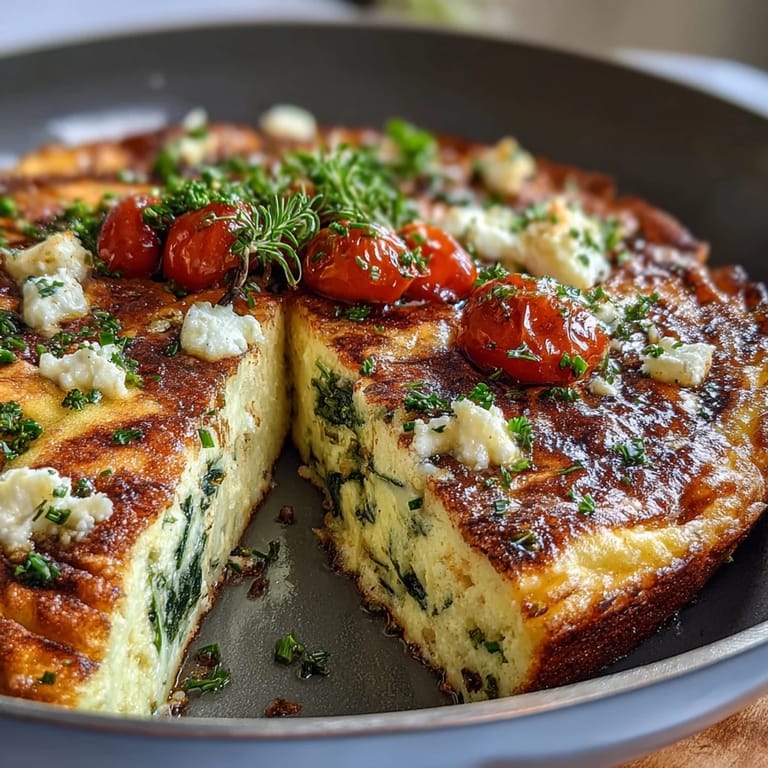
- Look for the center to be just set but still slightly jiggly when you give the pan a gentle shake, about 12 to 15 minutes—it'll continue cooking slightly as it cools. An over-baked frittata becomes rubbery, so it's better to pull it out a touch early and let it finish with carryover heat.
- Rest before serving:
- Let it cool for 5 minutes so the eggs can set fully and it becomes easier to slice cleanly. This also gives the flavors a moment to settle and bloom.
 Save
Save This frittata became my go-to dish after a friend's baby shower, when I realized I could make something that felt both celebratory and practical—no one had to wait for individual omelets, and it looked beautiful sliced into wedges. That's when I understood that the best recipes aren't just about flavor; they're about what they let you do in your life.
Vegetable Swaps and Variations
Spring vegetables are really just a suggestion here, so feel free to swap in whatever looks good at your farmers market—artichoke hearts, fresh peas, tender leeks, or even bell pepper all work beautifully. The key is using vegetables that are in season and not too watery; something like eggplant or mushrooms would need to cook longer first to release their moisture. I've made versions with roasted red peppers and fresh basil in summer, and it's a completely different story, though equally delicious.
Serving Ideas and Pairings
Serve a wedge of this warm or at room temperature alongside a simple green salad dressed with lemon and olive oil, which cuts through the richness of the cheese. A slice of crusty bread is wonderful for soaking up any eggs that escape onto your plate, and honestly, leftover frittata makes for an excellent next-day lunch—just bring it to room temperature first for the best flavor and texture.
Dietary Adjustments and Storage
For a dairy-free version, skip both the goat cheese and Parmesan and use plant-based milk—the frittata will be lighter and a bit less creamy, but it's still delicious and the vegetables shine even brighter. Leftovers keep well in an airtight container in the fridge for about three days, and you can reheat gently in a 300°F oven just until warmed through, or eat it cold straight from the fridge if you're in a hurry.
- Make sure your skillet is truly oven-safe by checking the handle; some skillets have plastic handles that can melt or become dangerously hot.
- If you're doubling the recipe, use a larger skillet or make two frittatas, as a single pan crowded with extra eggs will cook unevenly.
- Let your eggs sit out for 15 minutes before cooking so they're closer to room temperature, which helps everything blend together more smoothly.
 Save
Save This frittata has taught me that some of the best meals come from showing up with good ingredients and a little attention to what you're doing. It's simple enough to make on any morning but special enough to make you feel like you've done something right.
Recipe FAQs
- → How should the vegetables be prepared for the frittata?
Chop asparagus into 1-inch pieces, roughly chop spinach, dice zucchini, halve cherry tomatoes, and slice green onions before cooking.
- → What is the best way to cook the frittata on the stovetop before baking?
Cook the vegetables in olive oil over medium heat until tender, then pour the egg mixture on top and cook just until the edges start to set before transferring to the oven.
- → Can I substitute the goat cheese in this dish?
Yes, you can swap goat cheese for other soft cheeses like feta or omit cheese for a dairy-free version, using plant-based milk instead.
- → What herbs complement the flavor of this dish?
Fresh chives and parsley add bright, herbal notes that balance the creamy and vegetable flavors in the dish.
- → How do I know when the frittata is fully cooked?
The center should be set and puffed, and edges lightly golden, typically after 12-15 minutes baking at 375°F (190°C).