 Save
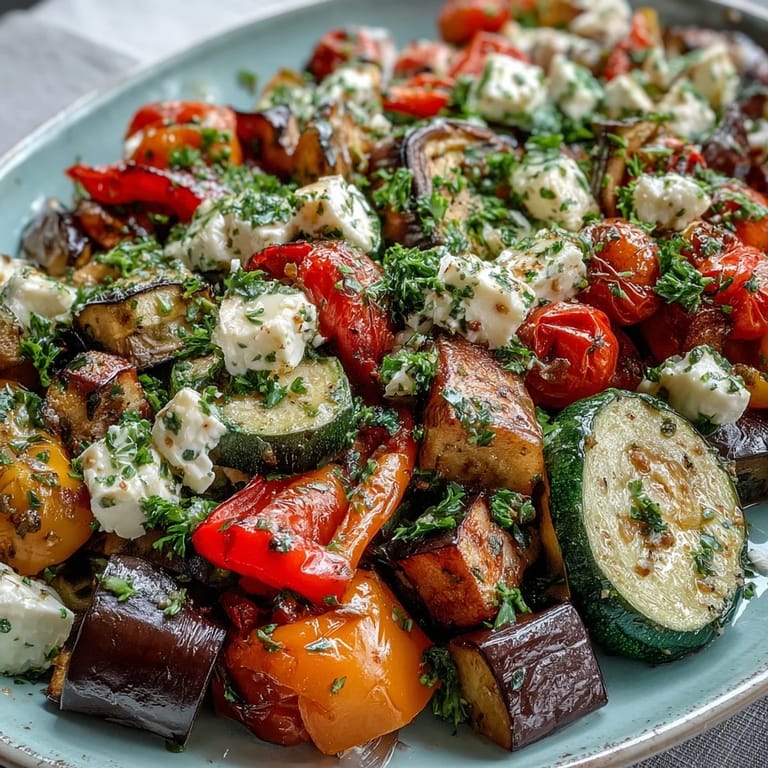
Save My neighbor Maria once showed up at my door with a casserole dish still warm from her oven, filled with vegetables that smelled like sunshine and garlic. She shrugged and said it was just what her yiayia made when the garden overflowed. I took one bite and realized I'd been roasting vegetables wrong my entire life. The edges were caramelized, the interiors creamy, and everything tasted like it had been kissed by the Aegean breeze. That afternoon changed my weeknight dinners forever.
I made this for a potluck once, skeptical that a pile of roasted vegetables could compete with casseroles and desserts. It was the first dish to disappear. Three people asked for the recipe, and one friend admitted she ate the last spoonfuls directly from the serving dish when she thought no one was looking. Sometimes the simplest things are the most magnetic.
Ingredients
- Eggplant: Cut into even cubes so they roast uniformly, and don't worry about salting it first unless you're using a very large, older eggplant that might be bitter.
- Zucchini: Slice them thick enough that they hold their shape and develop golden edges without turning to mush.
- Red and yellow bell peppers: The mix of colors isn't just pretty, it adds a subtle sweetness that balances the earthiness of the other vegetables.
- Red onion: Wedges caramelize beautifully and add a slight sharpness that mellows into candy like sweetness in the oven.
- Cherry tomatoes: Add these later in the roasting process so they burst and release their juices without drying out completely.
- Garlic: Fresh minced garlic goes in during the last stretch of roasting to prevent burning and keep its flavor bright and punchy.
- Extra virgin olive oil: This is not the place to skimp, use something fruity and good because it coats every bite and carries all the herbs.
- Dried oregano, thyme, and rosemary: The holy trinity of Mediterranean herbs, they smell like a summer hillside and taste like home.
- Lemon juice: A squeeze at the end wakes everything up and cuts through the richness with a bright, clean finish.
- Kalamata olives: Optional but highly recommended, they add bursts of briny depth that make each forkful more interesting.
- Feta cheese: Crumbled over the top while everything is still warm, it softens slightly and adds creamy, tangy contrast.
- Fresh parsley: Chopped and scattered at the end, it brings a pop of color and a hint of freshness that ties the whole dish together.
Tired of Takeout? 🥡
Get 10 meals you can make faster than delivery arrives. Seriously.
One email. No spam. Unsubscribe anytime.
Instructions
- Get the oven ready:
- Preheat your oven to 200°C (400°F) and position the rack in the middle so the heat circulates evenly. This temperature is the sweet spot for caramelization without scorching.
- Toss the vegetables:
- In a large bowl, combine the eggplant, zucchini, bell peppers, and onion with olive oil, oregano, thyme, rosemary, salt, and pepper, using your hands to coat every piece. The oil should glisten on the vegetables but not pool at the bottom of the bowl.
- Spread them out:
- Arrange the vegetables in a single layer on a large rimmed baking sheet, leaving a little space between pieces. Crowding them leads to steaming instead of roasting, and you want those crispy, golden edges.
- First roast:
- Roast for 20 minutes, then pull the pan out and give everything a gentle stir or flip with a spatula. This ensures even browning and prevents any pieces from sticking to the pan.
- Add the late arrivals:
- Toss in the cherry tomatoes and minced garlic, stirring them into the other vegetables, then return the pan to the oven for another 10 to 12 minutes. The tomatoes will start to burst and the garlic will turn golden and fragrant.
- Finish with brightness:
- Remove the pan from the oven and immediately drizzle with lemon juice, adding the olives if you're using them. Toss gently while everything is still sizzling.
- Serve with flair:
- Transfer to a serving platter and sprinkle with crumbled feta and chopped parsley. Serve warm or let it come to room temperature, where the flavors settle and deepen.
 Save
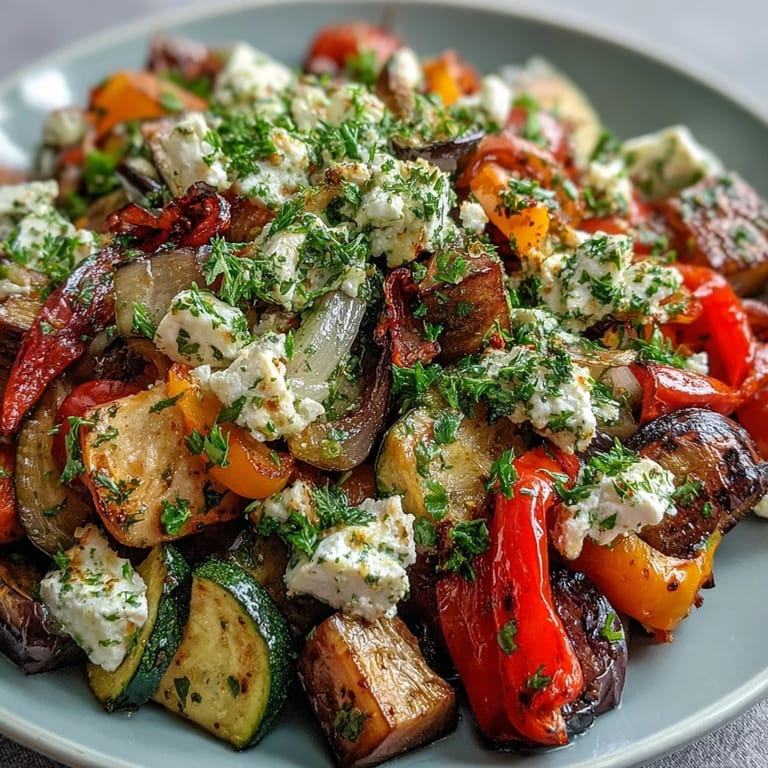
Save One evening I served this alongside grilled chicken for my family, and my youngest, who usually picks vegetables off her plate, ate three servings. She said the tomatoes tasted like candy and the feta made everything better. Watching her reach for seconds without being asked felt like a quiet victory, the kind that reminds you why cooking matters.
Making It Your Own
This recipe is forgiving and adaptable, ready to absorb whatever you have on hand or whatever your taste buds are craving. Swap the zucchini for summer squash, toss in chunks of fennel for a hint of anise, or add halved baby potatoes if you want something more substantial. I've made this with whatever looked good at the farmers market, and it's never been anything less than delicious. The key is keeping the vegetable pieces roughly the same size so they roast evenly, and not being shy with the olive oil and seasoning.
Serving Suggestions
These vegetables shine as a side dish next to grilled lamb, roasted chicken, or seared fish, but they're equally happy as the main event. Pile them over creamy hummus with warm pita, toss them with orzo or couscous for a hearty grain bowl, or fold them into an omelet the next morning. I've even spread them on toasted sourdough with a smear of goat cheese for an elevated open faced sandwich. The flavors are bold enough to stand alone but humble enough to support whatever else is on the table.
Storage and Reheating
Store leftovers in an airtight container in the fridge for up to four days, and don't be surprised if they taste even better the next day once the flavors have had time to meld. You can eat them cold, which is how I prefer them in summer, or gently reheat in a skillet over medium heat to bring back some of the roasted texture. Microwaving works in a pinch but won't give you those crispy edges, so the stovetop is worth the extra minute.
- Let the vegetables cool completely before storing to prevent condensation and sogginess.
- If freezing, skip the feta and parsley, adding them fresh after reheating for the best texture and flavor.
- Reheat only what you'll eat, as repeated heating can make the vegetables mushy and dull their vibrant taste.
 Save
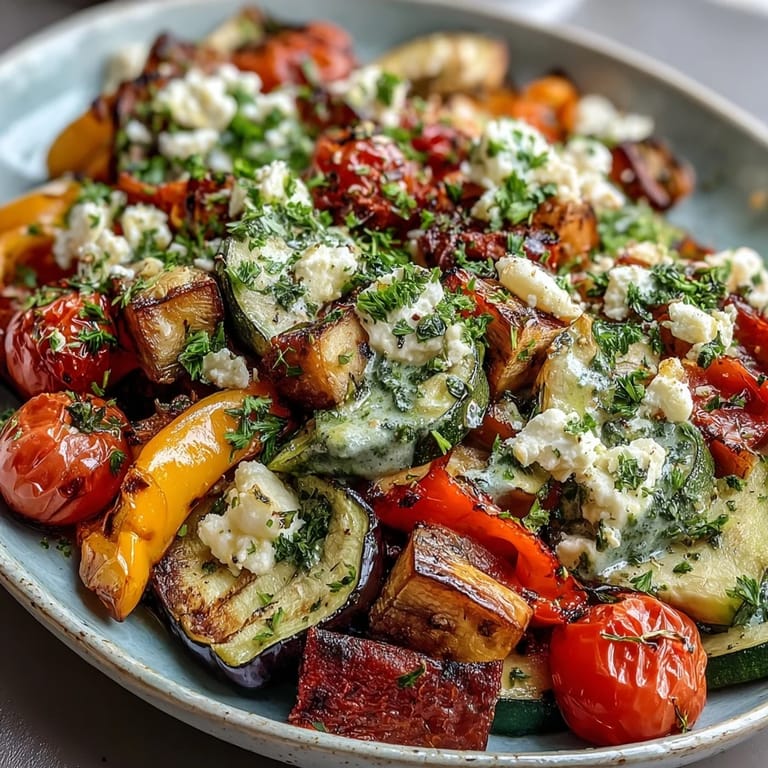
Save This dish has become my go to whenever I want to feel like I'm eating well without overthinking it. It's proof that good food doesn't need to be complicated, just honest, colorful, and made with a little care.
Recipe FAQs
- → Can I prepare these vegetables ahead of time?
Yes, you can chop all vegetables and mix them with the seasonings the night before. Store everything in the refrigerator in an airtight container, then roast when ready. The flavors actually taste better after sitting overnight.
- → What other vegetables work well in this dish?
Feel free to add artichoke hearts, mushrooms, or red potatoes. For seasonal variations, try butternut squash in fall or asparagus in spring. Keep the total quantity around 6-7 cups vegetables for even roasting.
- → How do I store and reheat leftovers?
Keep leftovers refrigerated in an airtight container for up to 4 days. Reheat in a 350°F oven for 10-15 minutes or enjoy cold—they're delicious at room temperature and make excellent additions to grain bowls or salads.
- → Can I make this vegan?
Absolutely. Simply omit the feta cheese or substitute with toasted pine nuts, walnuts, or dollops of dairy-free yogurt. The vegetables are packed with flavor on their own thanks to the aromatic herbs and bright lemon finish.
- → What's the best way to serve these vegetables?
Serve warm alongside grilled fish, chicken, or lamb. They're excellent stuffed into pita pockets with hummus, layered on sandwiches, or mounded over quinoa and rice. At room temperature, they make a vibrant addition to mezze platters with olives and crusty bread.