 Save
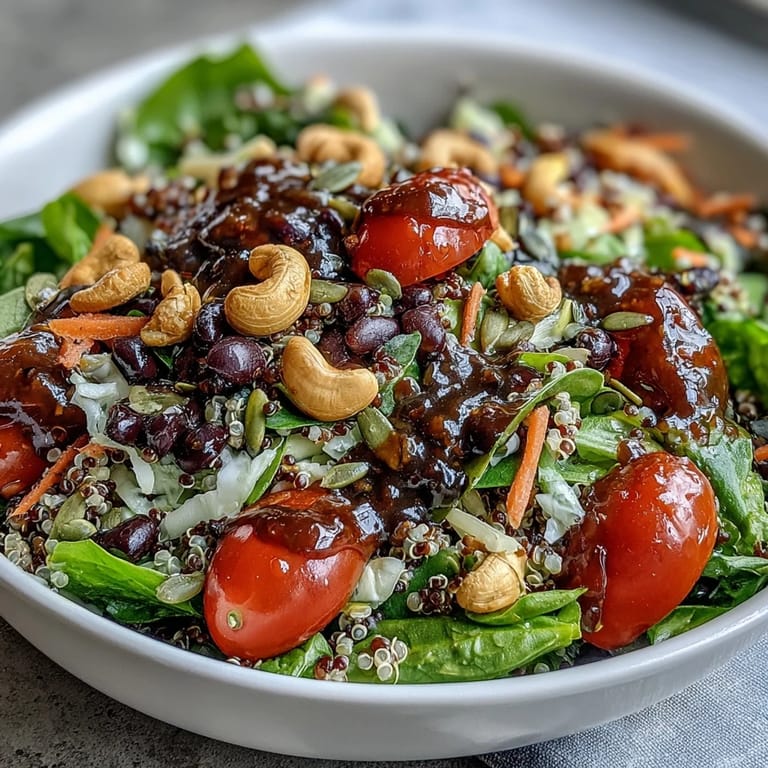
Save My coworker Sarah brought a rainbow salad to lunch one Tuesday, and I watched her eat it with such obvious pleasure that I asked for the recipe on the spot. What struck me wasn't just how beautiful it looked in her glass container, but how she described eating it—the crunch of the nuts, the way the dressing made everything taste brighter. That afternoon, I realized I'd been making salads all wrong, treating them like an obligation instead of something to actually look forward to.
I made this for a potluck at my apartment, nervous that a salad might get lost among the heavier dishes. Instead, it was gone before the pasta, and someone actually asked me to bring it to the next gathering. There's something about a rainbow salad that catches people's eyes on the table and makes them curious enough to try it, even if they usually skip the vegetable side.
Ingredients
- Cooked quinoa: Use this instead of brown rice if you want the salad to feel lighter and more protein-packed—it also has a pleasant nuttiness that pairs beautifully with the lemon dressing.
- Cherry tomatoes: Halving them releases their juices into the salad as it sits, seasoning everything naturally, so don't skip this step.
- Purple cabbage: Shred this thin so it stays tender, and it adds an earthy sweetness that grounds all the brighter vegetables.
- Grated carrots: The finer you grate them, the better they soften slightly from the dressing's acidity without becoming mushy.
- Yellow bell pepper: Dicing it into small pieces means every forkful has a pop of sweetness and that satisfying crunch.
- Baby spinach: Toss this in just before serving so it doesn't wilt into the dressing, keeping that fresh leafy texture.
- Cucumber: Slice it thin and add it last if you're not serving immediately, since it releases water and can make the salad soggy.
- Chickpeas and black beans: Always rinse canned beans thoroughly under cold water—this removes the starchy liquid and makes them taste fresher and less tinny.
- Roasted nuts: Buy them already roasted and unsalted so you control the seasoning, and chop them just before assembly so they stay crisp.
- Seeds: These stay crunchier if you sprinkle them on top moments before eating rather than mixing them in early.
- Extra-virgin olive oil: Don't use regular olive oil here—the fruitiness of extra-virgin matters in a raw dressing like this.
- Fresh lemon juice: Squeeze it yourself rather than using bottled; the brightness makes a noticeable difference in how the dressing tastes.
- Maple syrup: This tiny amount balances the lemon's acidity without making the dressing sweet, creating something more complex than you'd expect.
- Dijon mustard: It acts as an emulsifier, helping the oil and lemon juice stay blended rather than separating.
- Fresh herbs: Choose parsley if you want something subtle, or cilantro if you're in the mood for something brighter and more herbal.
Tired of Takeout? 🥡
Get 10 meals you can make faster than delivery arrives. Seriously.
One email. No spam. Unsubscribe anytime.
Instructions
- Cook your grains:
- Follow the package instructions for quinoa or rice, then spread it on a plate to cool—warm grains will wilt your raw vegetables and thin out the dressing. This takes about twenty minutes if you're using quinoa.
- Prep all your vegetables:
- Wash and dry everything thoroughly, then chop and arrange each one in a separate pile on your cutting board—this makes assembly faster and keeps colors vibrant. You'll feel the difference between a salad assembled quickly versus one where vegetables have been sitting in a jumbled heap.
- Make the dressing:
- Whisk the oil, lemon juice, maple syrup, mustard, and minced garlic in a small bowl until it looks slightly creamy and emulsified. Taste it plain before adding it to the salad, adjusting salt and pepper until it tastes bright but balanced—this is your chance to get it right.
- Assemble your bowl:
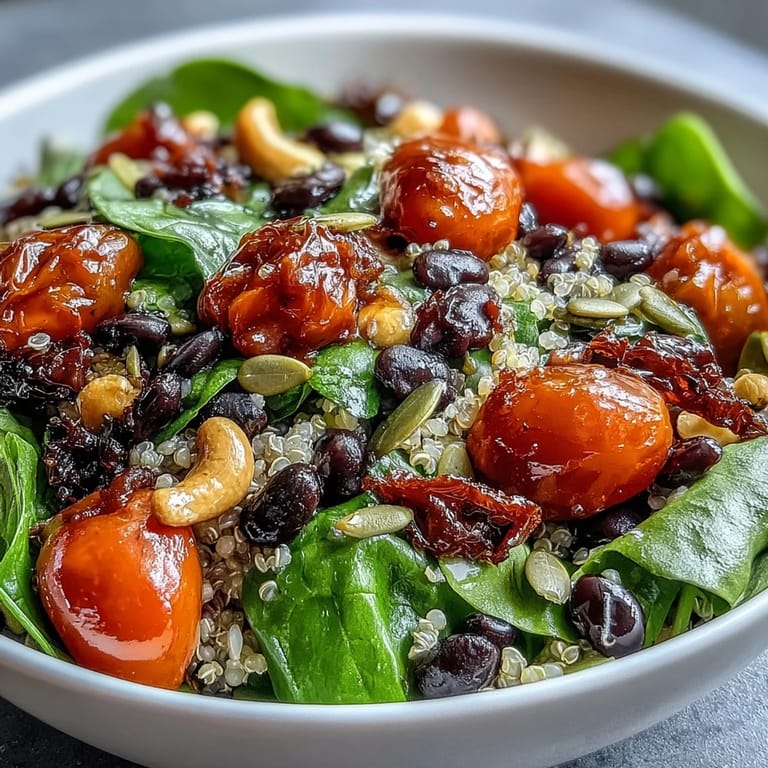
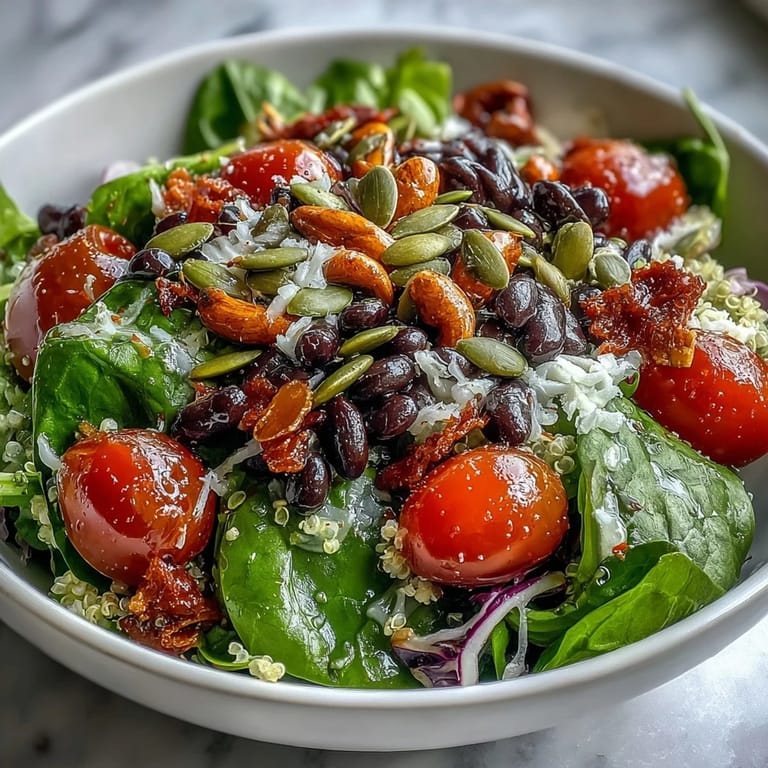
- Arrange everything in sections around a large bowl or platter, creating visual sections of color rather than mixing it all together. This way guests can see exactly what's in it, and it stays restaurant-worthy looking until someone takes the first scoop.
- Dress and serve:
- Drizzle the dressing over everything just before serving and toss gently, or leave it on the side if people prefer to control how much they add. A gentle hand here keeps the vegetables from getting bruised or breaking apart.
- Finish with fresh herbs:
- Sprinkle parsley or cilantro on top at the very end so it stays bright green and aromatic rather than wilting into everything else.
 Save
Save My neighbor tasted this salad and mentioned it was the first time she'd actually finished her lunch without feeling like she was forcing herself. That comment stayed with me because it reminded me that food doesn't have to be fancy or complicated to feel nourishing and satisfying.
Why This Works as a Main Dish
This salad has enough protein from the beans and enough substance from the grains that it genuinely fills you up, unlike salads that leave you hungry two hours later. The combination of textures keeps your mouth interested throughout the meal, and the dressing brings everything together in a way that makes it feel intentional rather than like you're just eating raw vegetables out of obligation.
Storage and Make-Ahead Tips
You can prep every component separately and store them in containers for three to four days, which means you can assemble a fresh salad every morning without much effort. Keep the dressing in a jar and shake it before pouring—it separates as it sits, which is completely normal and not a sign anything went wrong.
Variations That Feel Natural
Once you understand how this salad works, you can swap vegetables based on seasons and what looks good at the market—roasted sweet potato in fall, fresh peas in spring, whatever feels right. The formula is simple: a grain base, a rainbow of vegetables, a protein, something crunchy, and a bright dressing that ties it all together.
- Add avocado slices right before serving if you want creaminess without using dairy.
- Toss in white beans or lentils if you want to experiment with different proteins while keeping the same structure.
- Use balsamic vinegar instead of lemon juice if you're in a mood for something earthier and more complex.
 Save
Save This salad became my answer to the question of what to eat when I want something that tastes good and actually feels good to eat. It's the kind of dish that reminds you why cooking for yourself matters.
Recipe FAQs
- → Can I make this bowl ahead of time?
Yes, prepare all components up to 3 days in advance. Store vegetables, grains, beans, and dressing separately in airtight containers. Toss together just before serving to maintain crisp textures.
- → What grains work best in this bowl?
Quinoa, brown rice, farro, bulgur, or even couscous all work beautifully. Choose gluten-free grains if needed. Cook and cool the grains completely before assembling to prevent wilting the vegetables.
- → How do I add more protein?
Top with grilled tofu, tempeh, roasted chicken, or feta cheese. Hemp seeds or chia seeds also boost protein content. The chickpeas and black beans already provide 14 grams per serving.
- → Can I use different vegetables?
Absolutely. Swap in shredded beets, bell peppers of any color, radishes, shredded Brussels sprouts, or fresh herbs. Keep a mix of colors, textures, and raw vegetables for the best experience.
- → Is the dressing customizable?
Yes. Substitute balsamic vinegar for lemon juice, use tahini instead of olive oil for creaminess, or add fresh herbs like basil or dill. Adjust sweetness and acidity to your preference.
- → How long does this keep in the refrigerator?
Stored properly in separate containers, components stay fresh for 3-4 days. Keep dressed portions for up to 2 days. The flavors actually develop and improve after marinating together.